
If someone constantly drinks after every donation, they could be compromising their health with regular dehydration, stress on the liver, and a weakened immune system. Furthermore, it can lead to an unhealthy habit of overlooking the critical need for self-care after such a significant act of giving. It’s vital to adopt a holistic approach toward your health, particularly when engaging in activities that impact not just yourself, but also the lives of others who depend on donations. Yes, a cold can sometimes progress into pneumonia, especially in individuals with weakened immune systems, chronic lung disease, or advanced age. Viral infections caused by the common cold can damage the respiratory tract and weaken lung defenses. This damage may allow bacteria to enter the lungs and cause secondary bacterial pneumonia.
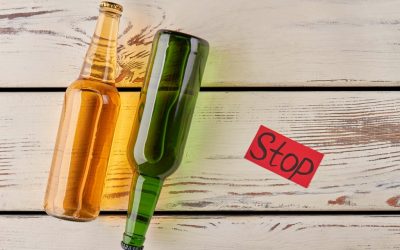
How much alcohol is considered moderate?
- Chronic alcohol use undermines this capability, allowing malignant cells to multiply unchecked.
- Consult with a healthcare professional if you suspect you have a weakened immune system.
- Melody is here to help as you adjust to a life with less (or no) alcohol.
- While moderate drinking may not pose significant health risks, binge drinking can have severe negative effects on the immune system.
- Regular use of an alcohol-free mouthwash can help maintain a healthy oral microbiome and prevent Candida overgrowth.
Thiamine, also known as vitamin B1, contributes to the activation of T cells, suppresses oxidative stress-induced NFκB activation in macrophages, and serves as an anti-inflammatory https://institutocomfatolima.edu.co/addiction-vs-tolerance-vs-dependence-the-3/ factor (Manzetti, Zhang et al. 2014). Antigen-specific responses are decreased in folate-deficient humans and animals (Dhur, Galan et al. 1991). Catalase is localized to peroxisomes and requires hydrogen peroxide to oxidize alcohol into water and acetaldehyde. Alcohol metabolism can also take place in the pancreas by acinar and pancreatic stellate cells, which contributes to the development of alcoholic pancreatitis (Vonlaufen, Wilson et al. 2007).
How to Build Healthy Habits: A Step-by-Step Guide

Exposure to cold temperatures at night does not directly cause pneumonia, but it may contribute to increased susceptibility to respiratory infections. Sleeping in very cold environments or without adequate clothing or bedding may place stress on the immune system. Getting wet in the rain does not directly cause illness, but it may increase your risk under certain circumstances. Being cold and wet for extended periods can lower your body temperature and temporarily weaken your immune system. This can make it easier for viruses or bacteria to infect your respiratory tract. Influenza often leads to viral pneumonia or weakens your lungs, allowing bacterial infections to follow.
Psoriasis and Alcohol: What Actually Happens in the Body
Additionally, alcohol can damage the gut lining, which serves as one of the body’s first lines of defense against pathogens in the gastrointestinal tract. A compromised gut barrier allows what is alcoholism bacteria and toxins to enter the bloodstream more easily, triggering inflammatory responses and placing extra stress on the immune system. To understand how alcohol interacts with your immune system, it is helpful to think of the immune response as a multi-faceted process.
Alcohol and Excessive Alcohol Consumption
- Overall, avoid drinking more than moderate amounts if you want your immune system in good shape, says Favini.
- While most additives approved for use in food are generally considered safe at regulated levels, some may negatively affect immune function, particularly when consumed frequently or in large amounts.
- For most healthy individuals, moderate alcohol intake—up to one drink per day for women and two for men—is unlikely to harm the immune response after a flu shot.
- However, excessive alcohol consumption can weaken the immune response to vaccines.
- Although the symptoms of viral and bacterial pneumonia are very similar, viral pneumonia is usually milder.
Additional studies are required to fully understand the role of ethanol metabolites and adducts in the development of does alcohol weaken immune system alcoholic liver injury and organ damage. 1 Individual factors in adults that can moderate the effect of alcohol consumption on immunity. Drinking large amounts of alcohol for many years will take its toll on many of the body’s organs and may cause organ damage.
